Discover the story of Bran Castle | Bran Castle history

Perched on a cliff with a flowing river beneath, Bran Castle, also called Dracula’s Castle, is an iconic landmark in Romania. This is one of the most gorgeous fortresses with a history that spans 6 centuries. The castle played an important role in defending Transylvania’s border and has witnessed a lot of changes and administrations over time. Read on to know more about Bran Castle’s history and its significance.

Quick overview

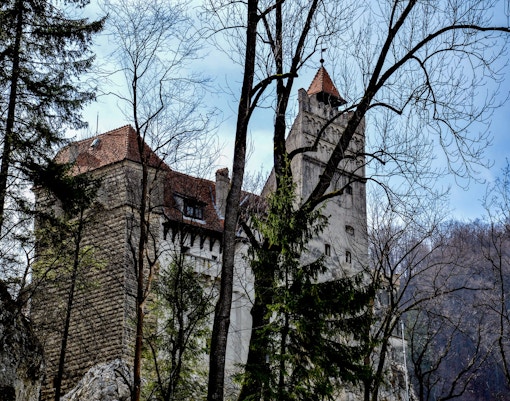
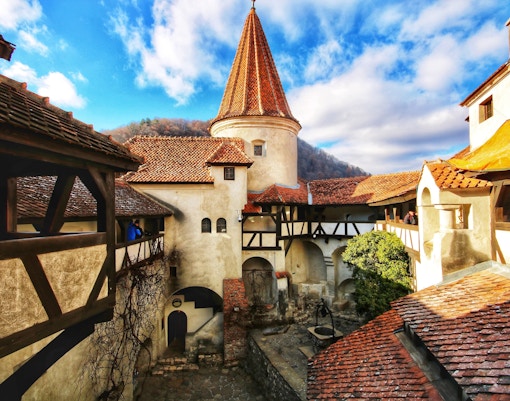
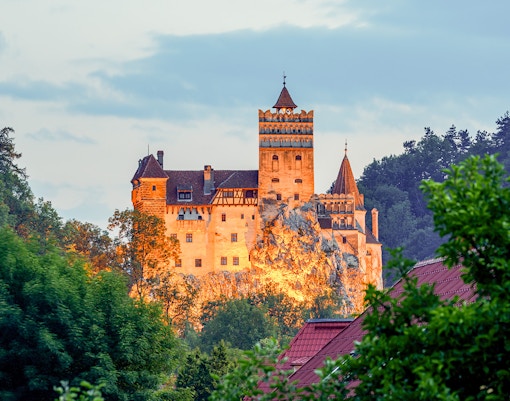
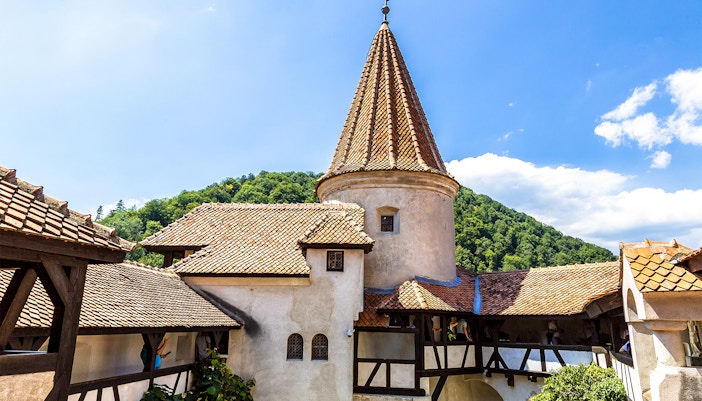
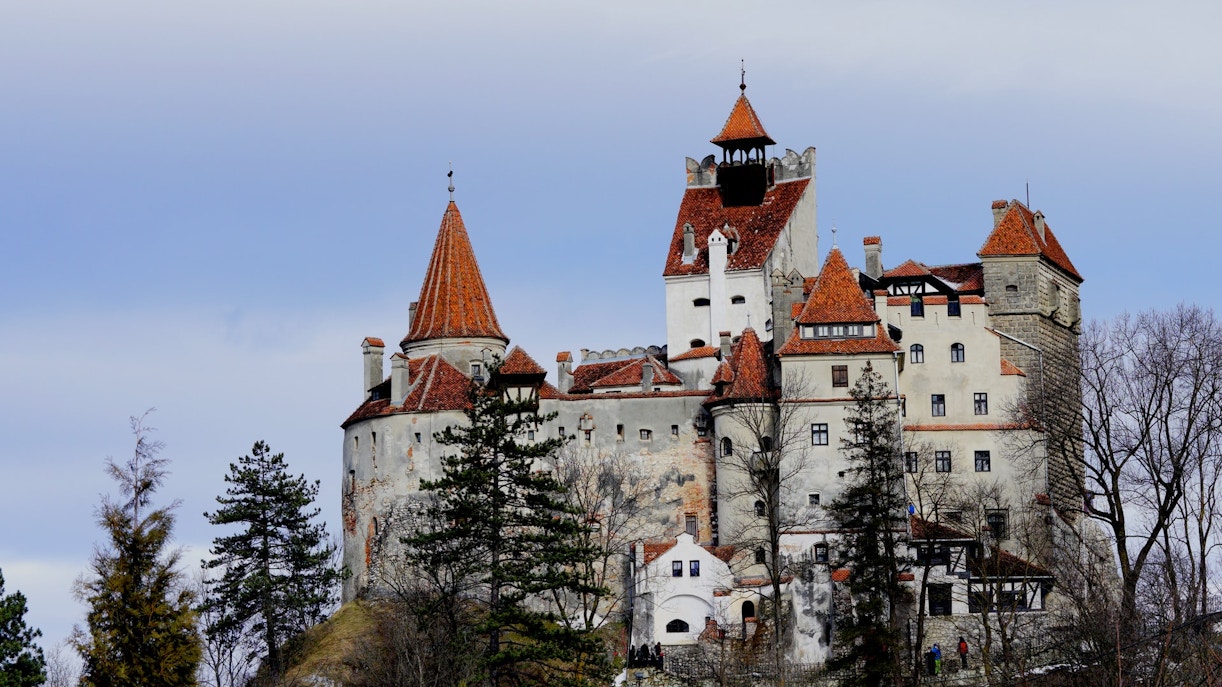
Bran Castle in Romania with red-tiled roofs and stone walls surrounded by trees.

Bran Castle is a Gothic fortress located atop a cliff in Transylvania. It is one of the most popular tourist attractions in Romania and is popularly known as Dracula’s Castle, as it is believed to have inspired Bram Stoker’s stories.  While Bram never set foot inside this castle, the description in his book ‘Dracula’ resembles Bran Castle quite closely.

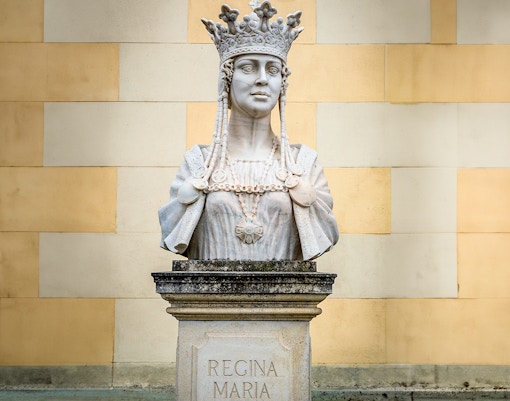
Bran Castle’s history dates back to the 14th century when it was built to protect Transylvania. Later, it acted as a customs point for entry into Wallachia. In 1920, Queen Marie received the fortress as a gift, who renovated it into this gorgeous castle. She loved spending time in this castle so much that she requested her heart to be buried beside it.
About Bran Castle
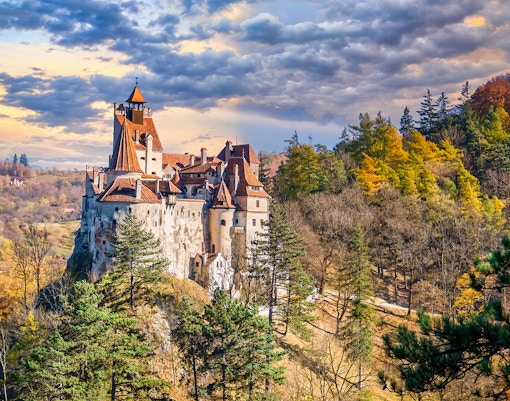
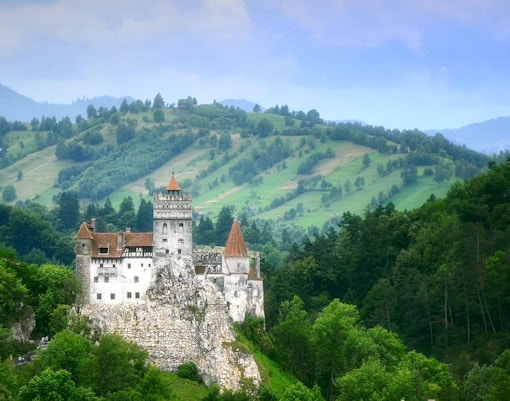
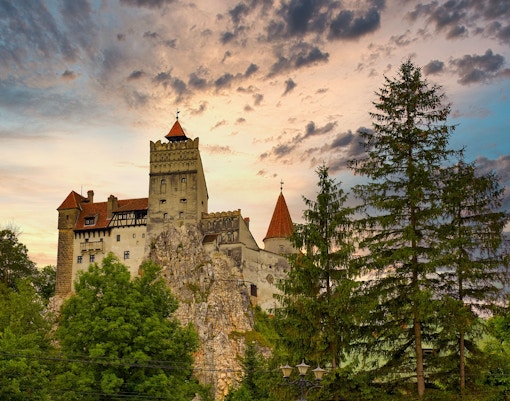
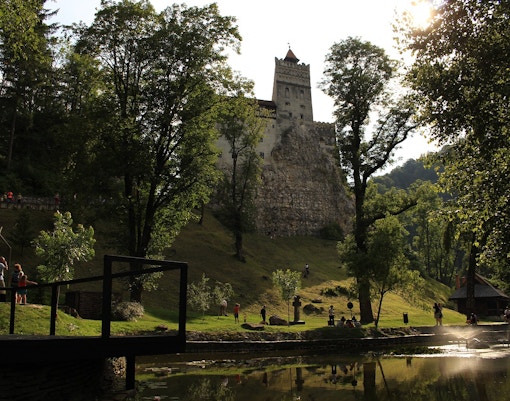
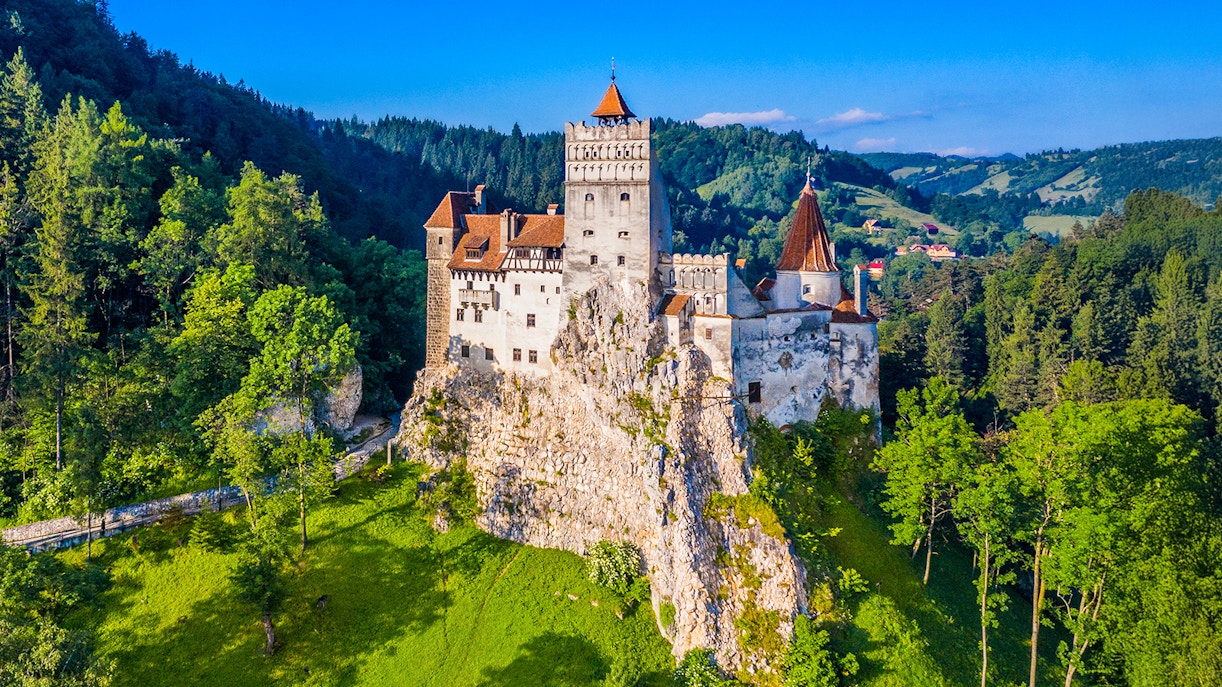
Bran Castle surrounded by lush green forest in Transylvania, Romania.

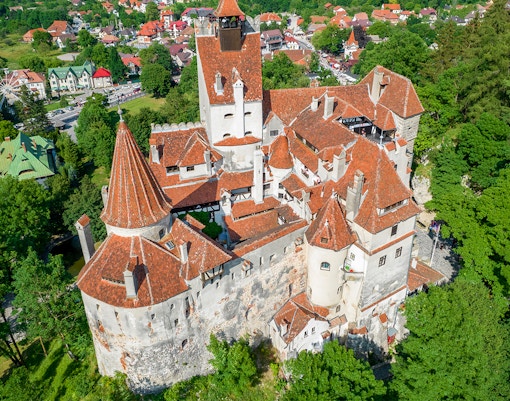
Bran Castle was built between 1377 and 1388 by the Saxons of Transylvania as a fortress and a customs point. It was perched atop a hill to offer clear views of the valley and was built to stop the expansion of the Ottoman Empire. Later, it became solely a customs point to collect taxes from merchants who wish to enter Wallachia.

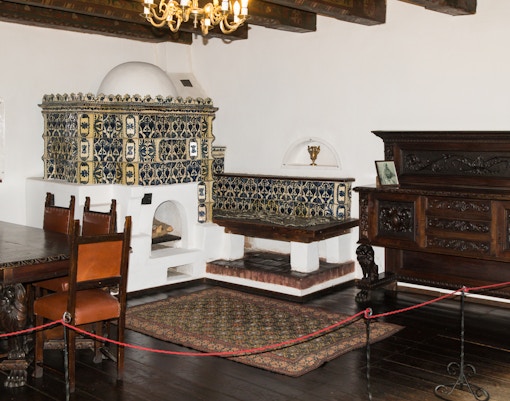
In 1920, Queen Marie restored and converted the fortress into a summer palace where she spent many years. Currently, the museum spans across the 4 floors of Bran castle where furniture, ceramics, weapons, etc. are displayed.

Bran Castle facts

History of Bran Castle

1211: The establishment of Teutons

The history of Bran Castle begins in 1211 when the Teutonic Knights received Burzenland as a gift from the Hungarian King, Andrew II. The main aim of this move was to establish Teutons in this region to defend the Transylvanian border from the southeast. They erected a wooden fortress in Bran which was destroyed by Mongols in 1242.

1377-1388: Castle completion and Lord of the castle

In 1377, King Louis I of Hungary authorized the Saxons of Brașov to build a stone castle, completed in 1388 atop a cliff with commanding views. Serving as both a customs point and a defensive fortress, it helped protect Transylvania’s eastern border from Ottoman expansion, with its lords chosen from the influential Saxon community.

1407-1419: From Wallachia to Transylvania

In the early 15th century, King Sigismund of Hungary gifted Dracula’s Castle to Prince Mircea of Wallachia. The castle could be used by the Prince to escape in case the Turks attacked Wallachia. However, the Romanian Prince died in 1419 due to political instability in his province. This resulted in King Sigismund taking back the castle and entrusting it to the Princes of Transylvania.

1441: Turkish raid

The Ottoman Turks raided Transylvania in 1441 but were defeated by John Hunyadi, a.k.a Iancu de Hunedoara, in Bran village. He was the Prince of Transylvania and defended the borders of Transylvania by using Bran Castle as a strategic and military point.

1459: Vlad the Impaler

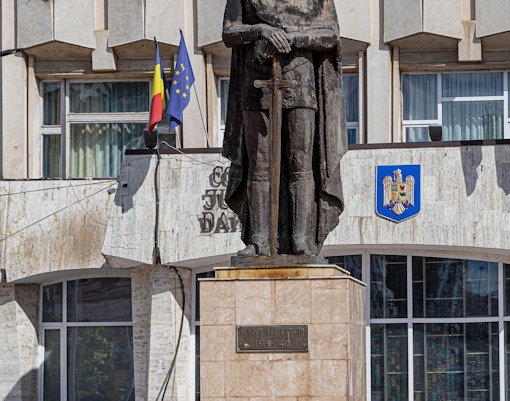
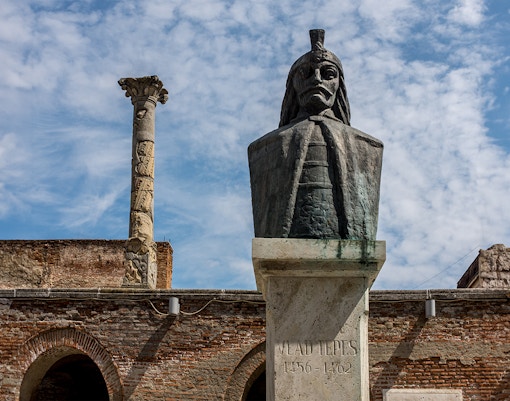
Vlad Țepeș, also known as Vlad the Impaler, was initially an ally of Bran and Brașov in 1448, supporting anti-Ottoman efforts alongside the Prince of Transylvania. Relations later soured in 1459 when conflicts between the Saxons and the Wallachian Voivode led Vlad to attack Brașov, burning its suburbs and killing thousands, prompting the Saxon community to portray him in their accounts as a ruthless tyrant.

1498: Saxons purchase Bran Castle

The Saxons of Brasov bought the ownership of Bran Castle for 10 years from King Vladislav II Jagello for 1000 florins. The Hungarian King’s treasury had been emptied due to the earlier war expenses. During the period of the lease, the Saxons also collected the taxes from the customs point of the castle.

1651-1691: Bran Castle is sold

Brașov renewed its lease of Bran Castle with the Princes of Transylvania multiple times, including during the Ottoman takeover of the Hungarian Empire in 1541, before finally selling the castle to George II Rákóczi in 1651. When Transylvania later became part of the Habsburg Empire in 1687, these agreements, including the 1651 sale, were upheld under the Leopold Diploma.

1723: Renovations of Bran Castle

Over time, Dracula’s Castle was damaged due to sieges, natural disasters, or sheer negligence by the people residing in it. An explosion in 1563 followed by 1617’s severe storms damaged the roof of the castle. The renovation of the northern tower of Bran Castle was completed in 1723.

1836: Bran Castle loses importance

As the border between Wallachia and Transylvania was moved to Pajura, Bran Castle lost its military and commercial use by 1836. The castle ceased to be the customs point for Hungary but it was still an important administrative seat.

1883-1886: Extensive restoration at Bran Castle

The castle was greatly damaged during the 1848 Revolution and the Russo-Turkish war of 1877. As a result, the Brasov inhabitants insisted that the authorities repair the damages made to the castle. Extensive restoration work on Bran Castle was carried out between 1883 and 1886, for this reason.

1888: The castle decays further

In 1888, Brasov’s administration transferred the castle to the forestry department. As a result, the castle fell into decay for 30 years. During this period, the foresters, forest inspectors, and woodsmen inhabited the castle.

1920: Queen Marie takes residence

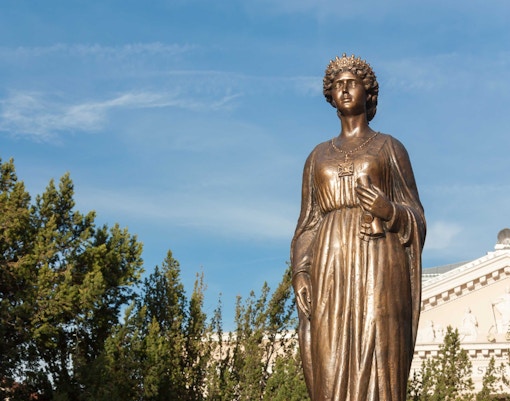
After Transylvania became part of Greater Romania in 1918, the citizens of Brașov gifted Bran Castle to Queen Marie in December 1920, praising her in the deed as a beloved ruler who brought happiness and goodwill to the nation. Captivated by the castle, Queen Marie restored and decorated it, transforming it into a royal residence.

1932: Bran Castle develops further

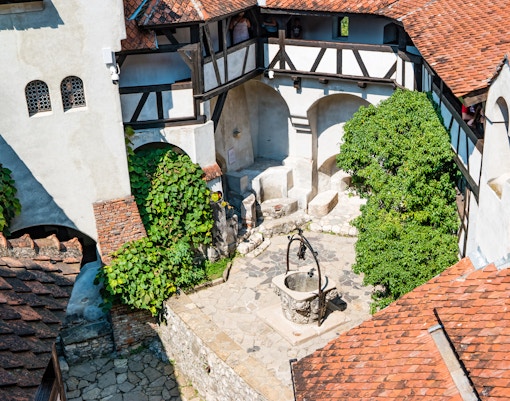
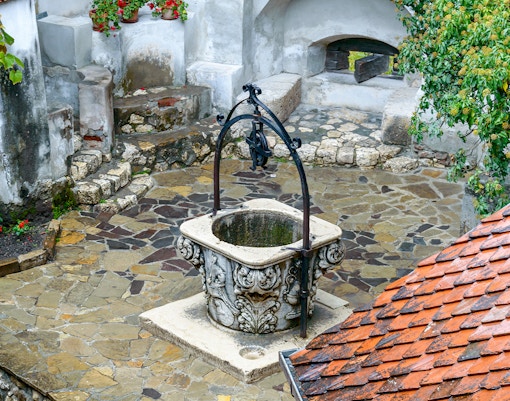
Between 1920 and 1932, Queen Marie transformed Bran Castle into a royal summer residence with architect Karel Liman, adding modern comforts such as a deep well linked to natural springs, a hydroelectric plant, and an English-style park with ponds and a tea house. An elevator was installed in the well for easier access between the castle and park, along with new structures including staff housing, a guesthouse, a wooden church, garages, and stables.

1938: The beloved queen passes

On 18 July 1938, Queen Marie passed away and bequeathed Bran Castle to her favorite, Princess Ileana. In 1931, the Princess was married to the Archduke Anton of Austria and continued working on the castle’s future after Queen Marie’s death.

1940: Queen Marie’s heart

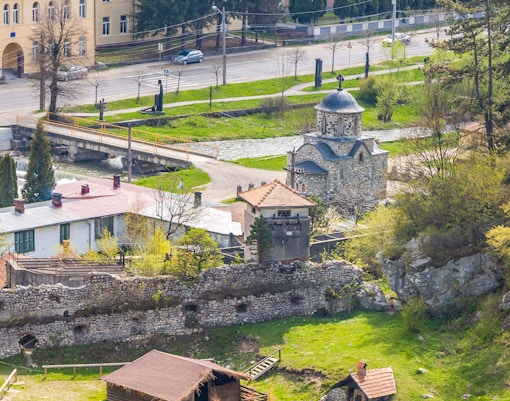
After Queen Marie’s death, her heart was sealed in a silver casket, wrapped in the flags of Romania and England, and placed in a mobile sarcophagus at the Stella Maris Chapel in Balchik’s Palace on the Black Sea. Following Romania’s territorial losses after the 1940 Vienna Awards, her heart was returned to Bran and laid to rest in a crypt chapel across the valley from the castle.

1944: The Hospital of the Queen’s Heart

After the bombing of the Red Cross hospital by an American aircraft, Princess Ileana opened a hospital in Bran Castle to treat the wounded Brasov soldiers. The Hospital of the Queen’s Heart continued treating wounded and maimed people of the war after 1945 along with the general population. Princess Ileana served as a nurse and operated the hospital until 1948.

1948: The new Communist regime

In 1948, the newly installed communist regime forced Princess Ileana and her family, including her six children, to flee the country. She reached the United States via Switzerland and Argentina in 1950. In the United States, she used the proceeds from her lectures on her life, Romania, and communism to provide food and education for her family.

1956: Bran Castle becomes a museum

The communist authorities transformed the castle into a museum with three departments. The Castle department features items from the royal heritage, the Ethnography department displayed traditional houses near the castle, and the third department focused on medieval customs.

1991: Princess Ileana’s Death

Princess Ileana returned to Bran Castle in late 1990 and was confronted by the damage inflicted on the castle and its buildings. She passed away shortly after, on 21 January 1991, and was buried at the Orthodox Monastery of the Transfiguration in Ellwood City, a monastery she founded and led as abbess, with a small box of soil from Bran Castle placed in her grave, collected during her exile.

1993-2009: Castle reopens and legally returned

Restoration work on Bran Castle was completed in 1993, allowing it to reopen as a museum. Although the castle was legally returned to Princess Ileana’s heirs on 18 May 2006, the Romanian government continued to administer it until 2009, when Archduke Dominic, Archduchess Elisabeth, and Archduchess Maria Magdalena assumed full ownership and opened Romania’s first private museum there, showcasing Queen Marie’s furniture and art collection.

Bran Castle today

Bran Castle has gone through a lot of changes since its creation in 1337. From a fortress to a customs point to a hospital to a museum, this castle has played vastly different roles over the centuries. One of the first private museums in the country, Bran Castle displays the furniture and art collection of Queen Marie. That’s not all, this popular attraction is also famous due to the Count Dracula stories by Bram Stoker and receives hundreds of thousands of tourists every year from all over the world.

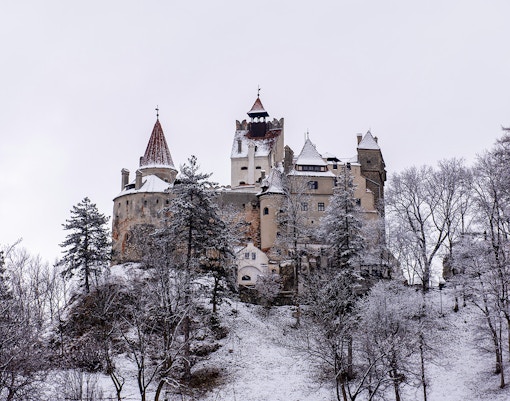
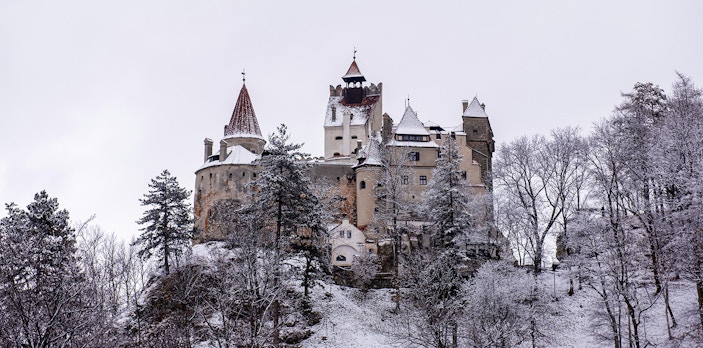
Bran Castle in winter, surrounded by snow-covered trees, Transylvania, Romania.

Frequently asked questions about Bran Castle history

A. In 1226, the Teutons erected a wooden fortress on the cliffside at Țara Bârsei or Burzenland after they received it as a gift. This was destroyed by the Mongols, after which a stone castle was built by the Saxons in 1388.

More reads

Inside Bran Castle

Opening Hours

Count Dracula