- Bran Castle is best visited early in the morning or late in the afternoon, as these times are less crowded and offer a more relaxed experience, especially during peak summer months and weekends.
- Comfortable walking shoes are strongly recommended, as the castle features steep staircases, narrow corridors, and uneven stone floors typical of medieval architecture.
- Visitors should plan to spend at least 1.5 to 2 hours exploring the castle interiors, courtyards, and viewpoints at a comfortable pace.
- Photography is allowed inside the castle, but flash and tripods are prohibited to preserve the historic interiors.
- During winter, outdoor paths and stone steps can be slippery, so warm clothing and extra care while walking are advised.
- Facilities at Bran Castle include ticket counters and online ticket scanning at the entrance, souvenir shops selling Dracula-themed items and local crafts, cafés and food stalls outside the gates, restrooms near the entrance, nearby parking for cars and tour buses, and multilingual information panels throughout the museum.
Inside Bran Castle | Rooms, courtyards, and Dracula legends
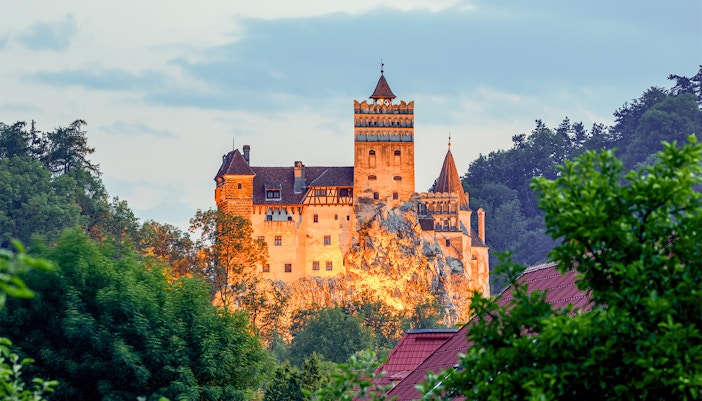
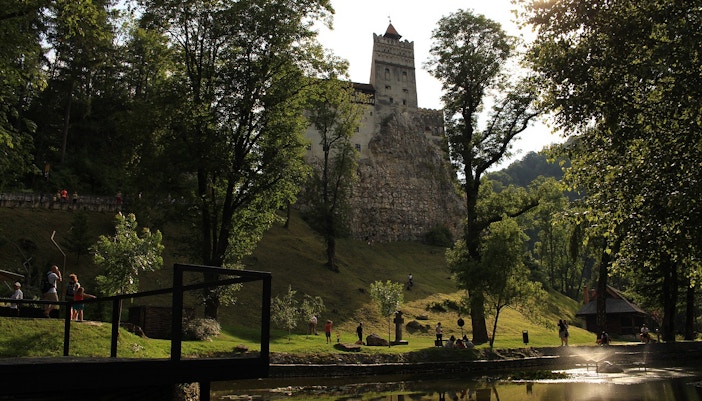
Bran Castle's magnificent shape rises majestically over the valley below from its rock base near the riverbed. It is a gloomy yet majestic building that appears to be looking down on the crowds of people who pass through its gates. However, it’s not just the outer appearance of the castle that is intriguing. Read on to know what awaits your visit inside Bran Castle.
About Bran Castle
The majestic Bran Castle is located on the boundary between Transylvania and Wallachia in Romania. A huge stone stairway leads to the castle's entryway. Inside Bran Castle, Queen Marie's residence includes a bedroom, bathroom, dining area, hall, dressing room, and two salons. The castle contains a hidden passageway connecting the first and third floors of the fortification, which was discovered in 1927. The core of the castle is graced with a lush courtyard, a characteristic feature of medieval edifices. The wealth of architectural details within the castle makes it a very interesting visit, historically and culturally.
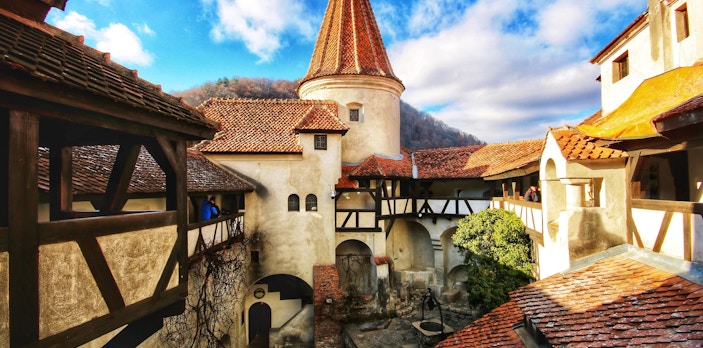
Inside Bran Castle
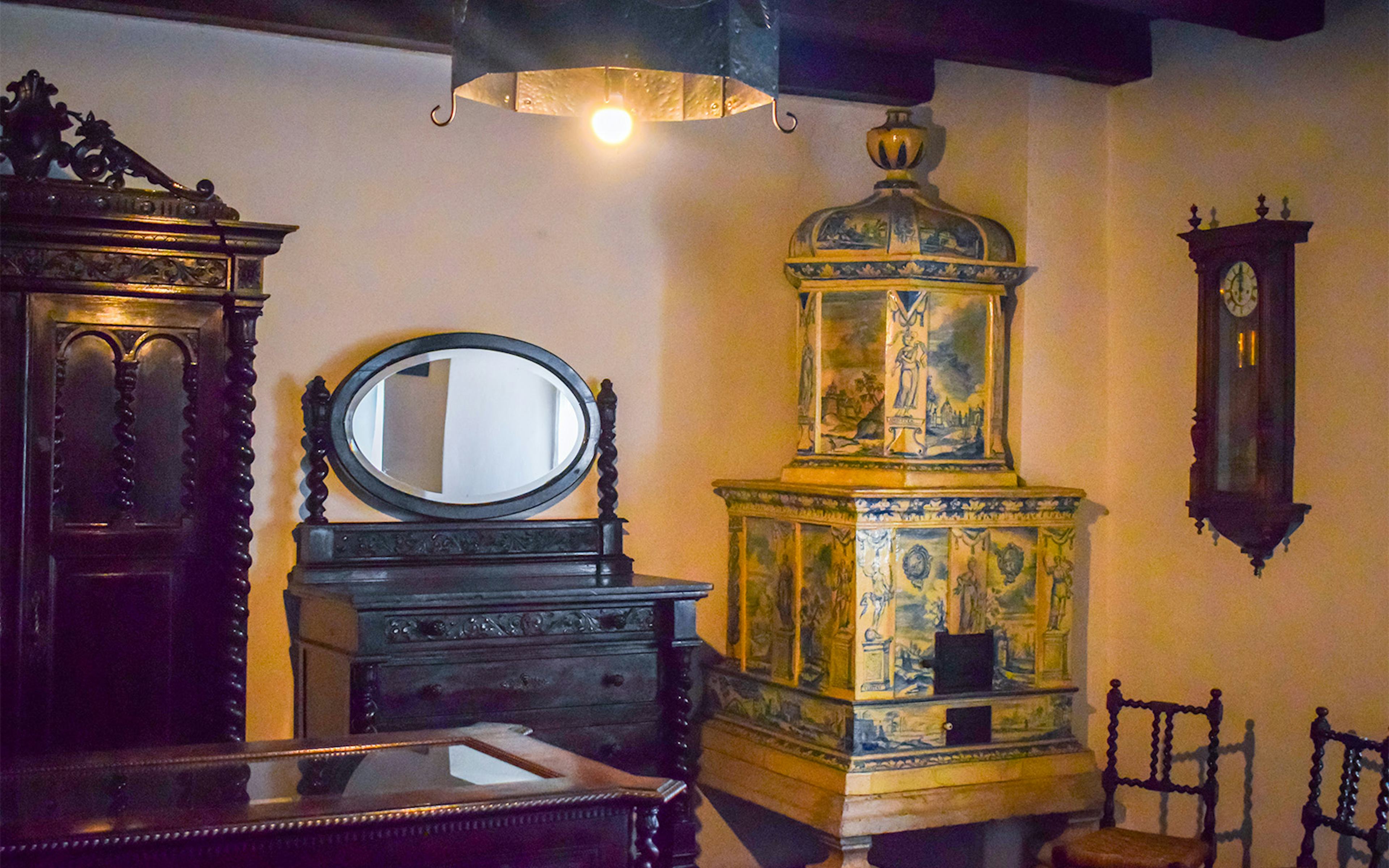
1/6
The rooms
Bran Castle has a total of 57 rooms that have witnessed centuries of history. King Ferdinand’s rooms are among the most well-restored rooms in the castle. Ornate furniture and wonderful views of the village below can be appreciated in King Ferdinand's suite. Hand-carved and elaborate fixtures cover the walls and ceilings of the expansive rooms. A room of the castle also occupies the torture museum with various unsettling artifacts.
Narrow stairway
There is also a stone secret passage among the 57 chambers inside that was so narrow that only one person could pass through it at a time. The secret corridor connects the first and third floors, albeit it is no longer secret. The entry to the secret corridor was hidden behind an antique fireplace. It was discovered in the 1920s while Queen Marie was renovating the castle.
Old water well
The top of an old water well is present in the courtyard of Bran Castle, but there is no well. However, the well is more than just a decorative feature. When the fortress was built in the 14th century, a 60-foot-deep well was drilled through solid rock. There was also a secret room carved into the rock just above the water level, which was used to hide the castle's treasures in the event of an invasion.
The Donjon
The gothic architecture of Bran Castle is breathtaking. The enormous structure is built of a mix of wood and stone. The round tower, or Donjon, is one of the castle's features, as it is remarkably well kept. Unfortunately, lightning struck the old tower and it was completely destroyed. The current round tower design dates from 1593.
The Queen's Heart
Before her death in 1938, Queen Marie requested that her heart be interred at a chapel in the village of Balchik, near the Black Sea, where her family owned a palace that was the queen's favorite summer retreat. Balchik's heart was placed at Bran Castle when she was returned to Bulgaria in 1940. On the southwest side of the castle, across the small brook at the edge of the woodland, you can view the resting place of the Queen’s heart.
The Time Tunnel
Originally, a seven-meter-deep reservoir was dug in Bran Castle’s courtyard and later expanded into a 59-meter-deep well in the 17th century. After a new well was added in 1937, the old one was converted into an elevator shaft, allowing Queen Marie access to the Royal Gardens via a twisting underground gallery. Today, this historic rock space houses the Time Tunnel, a multisensory installation created by a multidisciplinary team, showcasing how heritage and modern technology come together to captivate visitors.
Tips and facilities
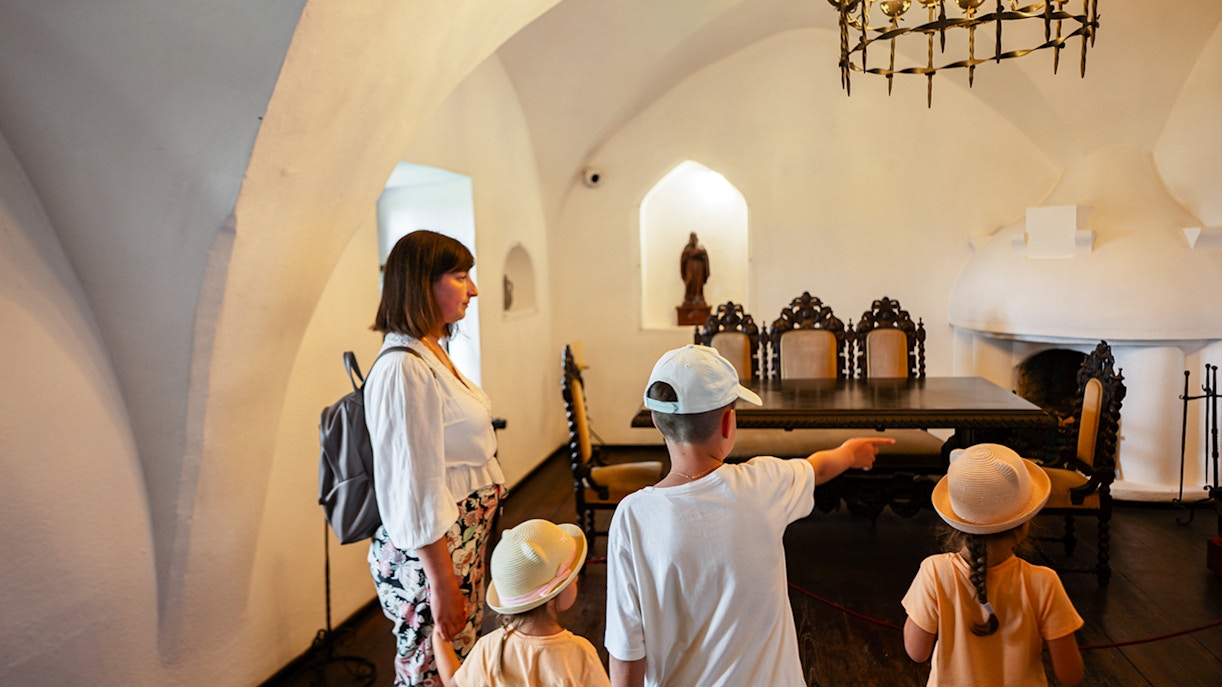
Frequently asked questions about what’s inside Bran Castle
A. There are about 57 rooms inside Bran Castle including a torture museum, Queen Marie’s suite, King Ferdinand’s quarters, and a well-maintained courtyard.
A. Yes, it is possible to explore the insides of Bran Castle.
A. Vaccinated individuals can gain entry to Bran Castle from the main entrance. You can book your Bran Castle tickets online to gain entry.
A. Among the many rooms inside Bran Castle, you can explore King Ferdinand’s quarters that include some ornate furniture and artifacts. You can also explore the dungeon, visit the chapel of the Queen’s heart, climb the narrow stairway and enjoy the multimedia show in the Time Tunnel.
A. Although Bran Castle isn’t large, you should wear comfortable footwear if you are planning to explore all the rooms that are open to visitors as there are a lot of stairs throughout the castle.
A. Yes, you can easily purchase Bran Castle tickets online.
More Reads
About Bran Castle
Getting There